When it comes to commercial door performance, the hardware is just as critical as the door itself. In Toronto’s commercial properties, hinges, closers, and locks determine how smoothly doors operate, how secure the building remains, and whether the entrance meets building code requirements. This guide explains the key elements of commercial door hardware hinges, closers, and locks and their importance for safety, compliance, and long-term durability.
Why Hardware Not the Door Itself Determines Performance
Commercial doors are only as good as the hardware that supports them. While the door itself plays a role, the hardware components, hinges, closers, and locks are essential to ensuring the door operates efficiently, safely, and in compliance with building codes.
For example, a door with worn-out hinges can sag, making it difficult to open or close. Similarly, a faulty door closer might fail to close the door properly, risking fire safety or security issues. Poor-quality locks can leave a building vulnerable to unauthorized access.
Proper installation and maintenance of these hardware components ensures:
- Smooth door operation
- Controlled closing speed
- Compliance with fire and accessibility regulations
- Reliable building security
- Reduced repair costs over time
Commercial Door Hinges
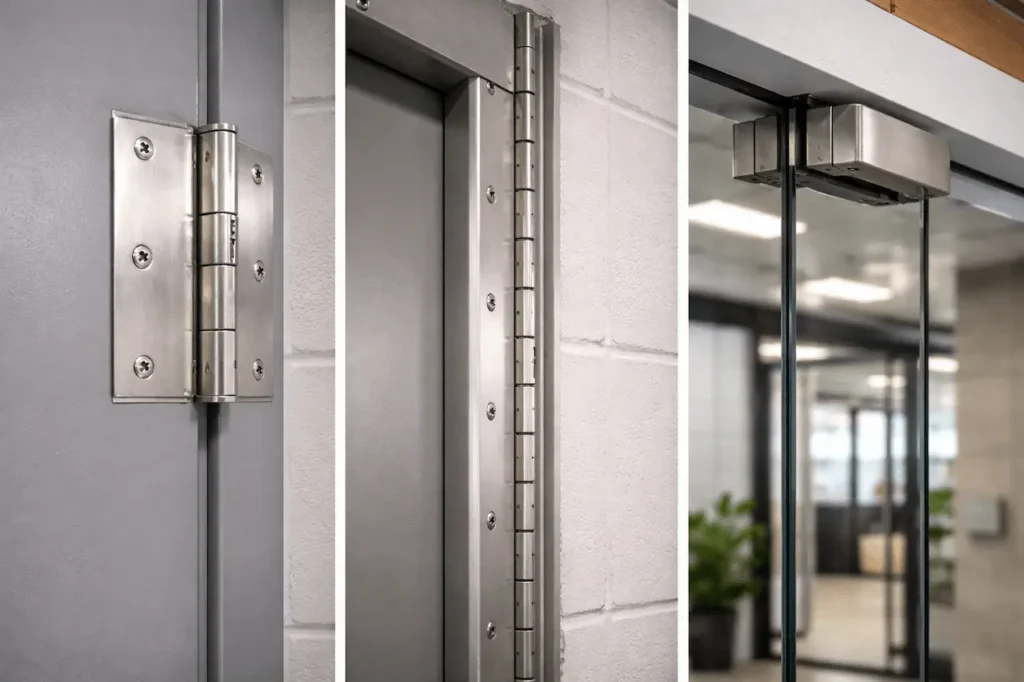
Types of Hinges (Butt, Continuous, Pivot)
Hinges are the backbone of any commercial door, supporting its weight and ensuring smooth movement. The type of hinge used depends on the door material, size, and traffic in the building.
- Butt Hinges: Commonly used for steel and wood doors. They are durable and reliable for most office and retail environments.
- Continuous Hinges: Also known as piano hinges, these span the full height of the door, distributing weight evenly. Ideal for high-traffic areas, they reduce long-term stress on the door frame.
- Pivot Hinges: Often used in glass storefront systems, these allow the door to pivot from top and bottom points rather than side-mounted hinges, providing smoother operation.
Which Type Is Right for Your Building?
Choosing the right hinge for your commercial door depends on factors like the door’s material, traffic volume, and the overall design of the building. For example, Commercial Door Hinge Repair & Replacement in Toronto is a common service for properties where doors experience high foot traffic.
Signs Your Hinges Need Replacing
- Doors are sagging or misaligned
- The door squeaks or creaks
- Difficulty in opening or closing the door
- Loose hinges or screws
Upgrading to heavy-duty or continuous hinges can often prevent recurring issues, saving you from costly repairs in the long run.
Commercial Door Closers
Types of Closers (Surface-Mounted, Concealed, Floor)
Door closers are designed to control the speed at which a door closes, ensuring it does not slam. This is especially important for fire-rated doors in Toronto or doors in high-security areas.
- Surface-Mounted Closers: The most common type, these are mounted on the door or frame and are durable and easy to maintain.
- Concealed Closers: Installed inside the door or frame, these are used for aesthetic purposes in modern commercial spaces.
- Floor Closers: Often found in aluminum and glass storefront systems, floor closers provide smooth pivot motion and controlled closing.
Why Closers Are a Code Requirement in Ontario
According to the Ontario Building Code, fire-rated doors must have approved self-closing devices. This ensures fire separation integrity in case of an emergency. Similarly, accessibility requirements may necessitate door closers for buildings that must meet ADA standards.
Common Closer Problems and What They Cost to Fix
Common problems include:
- Oil leaks: Indicates a damaged closer.
- Improper closing speed: Could be too fast or slow.
- Failure to latch completely: The door may not close all the way.
Commercial Door Closer Repair in Toronto services can help resolve these issues, with costs typically ranging from $100 to $300, depending on the type and severity of the issue.
Commercial Locks & Exit Hardware
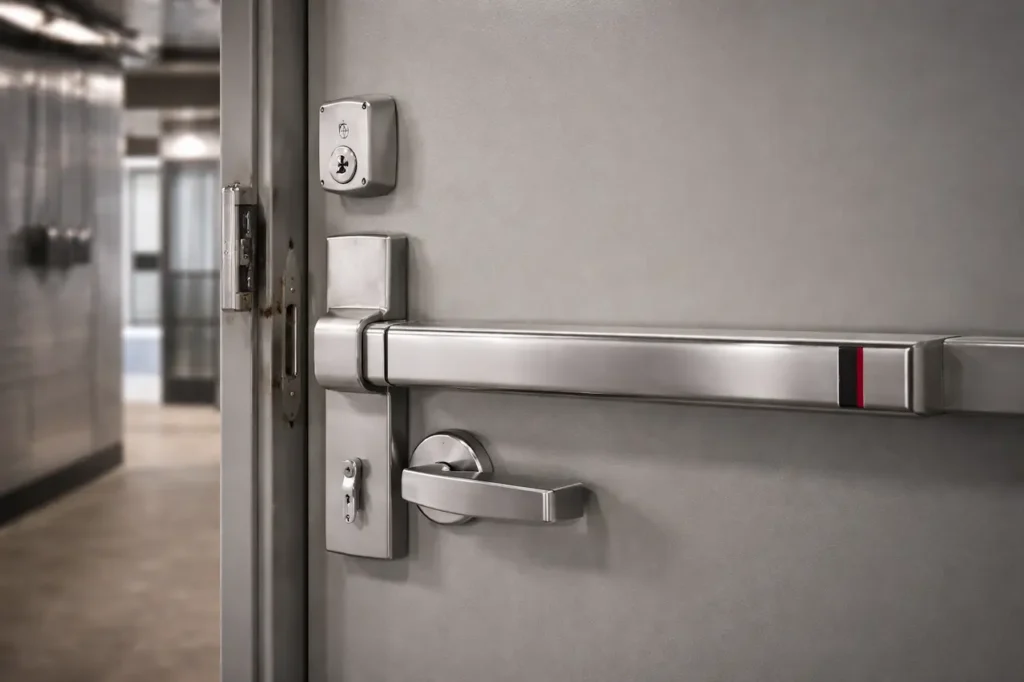
Lock Types by Building Use (Office, Retail, High-Security)
Choosing the right lock system depends on the building’s purpose. For example:
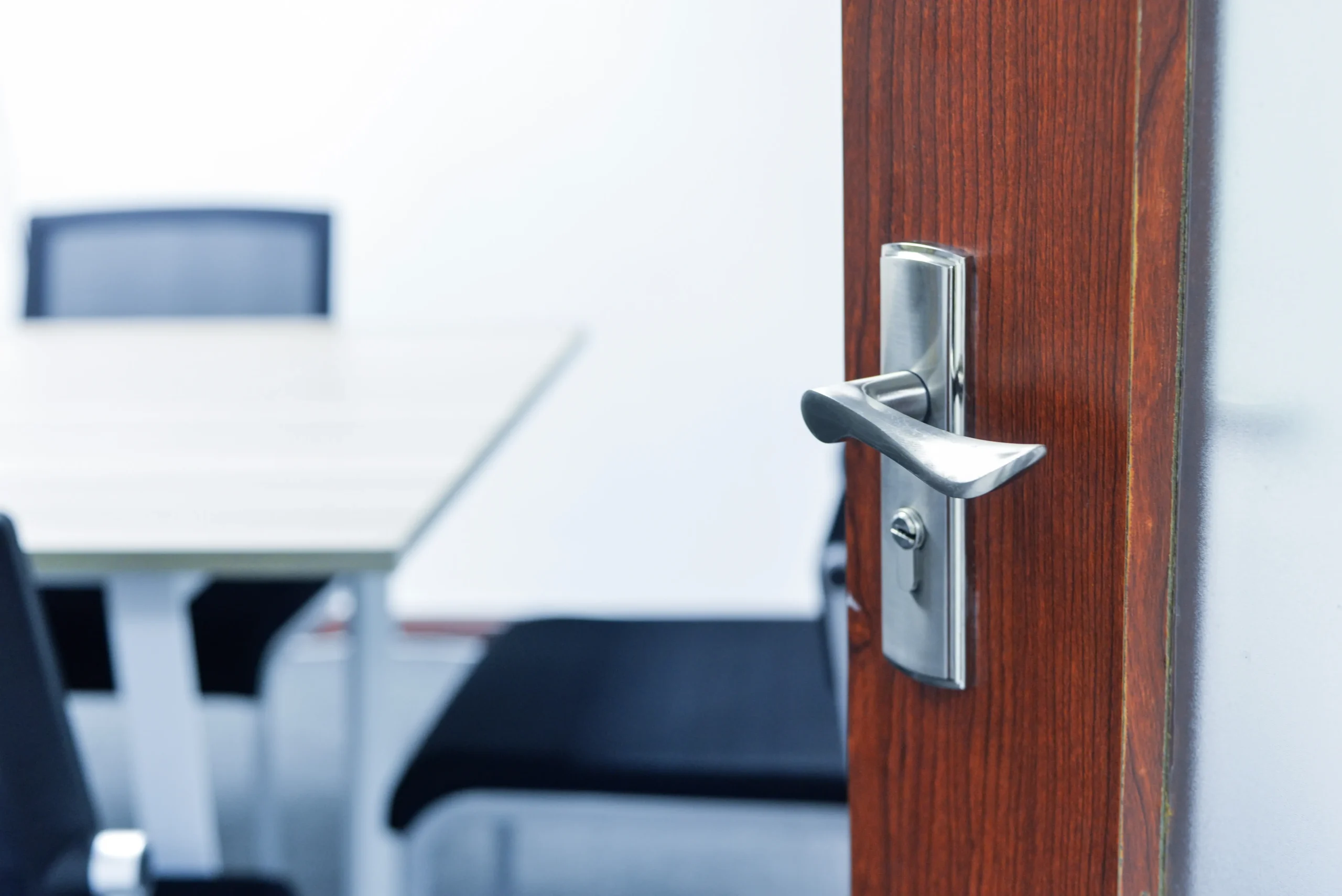
- Cylindrical Locks: Affordable and easy to service, these are commonly used in offices and retail settings.
- Mortise Locks: More secure, typically used in high-security areas.
- Deadbolts: Provide extra reinforcement for exterior doors.
Panic Bars & Exit Devices What’s Required in Toronto
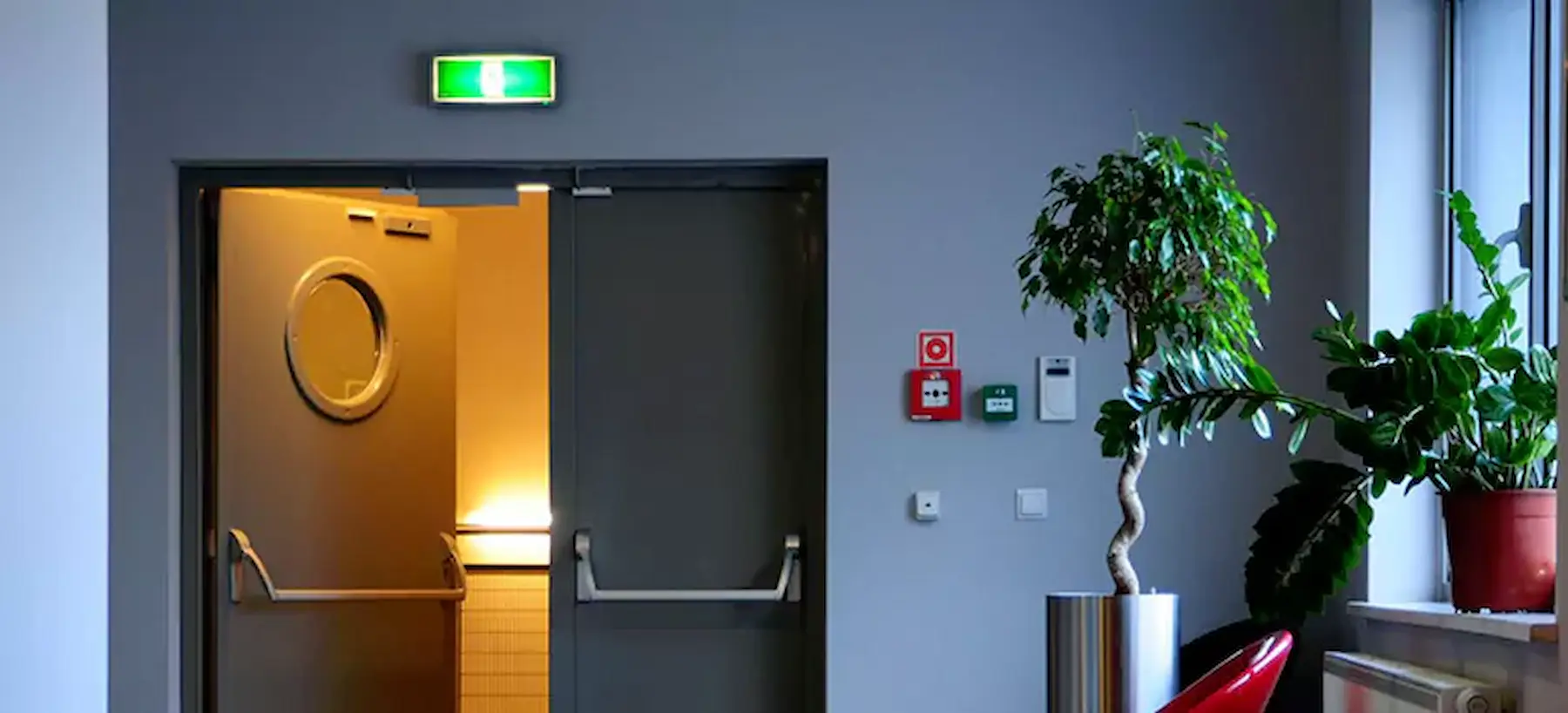
Panic bars and exit devices are essential for emergency exits in commercial buildings. In Toronto, these devices must comply with safety regulations to ensure quick egress in case of an emergency.
Access Control: When to Upgrade Beyond a Key
As security technology advances, many commercial buildings are shifting to electronic access control systems. These systems can include keypads, card readers, and integrated security systems, allowing for better control and monitoring of building access. Commercial Locksmith Services in Toronto can assist with upgrading your system.
Ontario Building Code What Your Hardware Must Meet
In Toronto, commercial door hardware must meet the Ontario Building Code. This includes:
- Fire-rated doors must close properly to maintain fire separation.
- Accessibility standards may require automatic operators for certain types of buildings.
- Compliance with safety regulations for panic hardware and exit devices is crucial for avoiding costly fines and safety risks.
Repair vs. Replace How to Make the Call
Deciding whether to repair or replace door hardware depends on the severity of the issue. Minor issues like adjusting door closers or replacing faulty locks can often be repaired. However, when the hinges or closers are severely damaged, replacement might be the most cost-effective solution in the long term.
What Does Commercial Door Hardware Repair Cost in Toronto?
The cost of commercial door hardware repair varies depending on the component:
- Closer Replacement: $150 to $350
- Hinge Replacement: $100 to $300
- Lock Swap: $150 to $400
- Full Hardware Upgrade: $500 to $2,000+
Commercial Door Repair Cost in Toronto provides detailed pricing information for different services.
Cost Threshold Guideline Used in Commercial Properties
A common rule in commercial maintenance:
If hardware repair costs exceed 40–50% of the cost of a full hardware upgrade, replacement is typically the smarter long-term decision.
Replacing severely worn hardware:
- Reduces repeated service calls
- Improves code compliance
- Prevents operational downtime
- Extends the lifespan of the entire door system
A professional evaluation ensures the right decision is made before minor issues escalate into structural problems.
Preventative Maintenance Schedule
Routine maintenance is key to extending the life of your commercial doors. Here’s a quick guide on what to check and how often:
- Hinge alignment: Every 6 months
- Closer speed and latch control: Every 6 months
- Lock operation: Every 12 months
- Panic bar functionality: Every 12 months
FAQ
- How long does commercial door hardware last?
- With proper maintenance, hardware can last many years. However, high-traffic environments may require more frequent inspections.
- Can I upgrade my locks without replacing the door?
- Yes, locks and access control systems can often be upgraded independently of the door.
- Why is my commercial door slamming shut?
- This usually indicates a failing or improperly adjusted door closer.
Why Businesses Upgrade Their Door Hardware With Us
Commercial door hardware fails long before the door itself. The difference between a quick repair and a recurring problem often comes down to correct component selection and installation.
We don’t just replace hinges or closers we evaluate traffic load, door weight, fire-rating requirements, and usage frequency before recommending hardware.
For high-traffic retail entrances, industrial service doors, and office buildings across Toronto, we:
- Upgrade undersized hinges to heavy-duty continuous systems
- Replace failing closers with properly rated hydraulic models
- Correct improper latch alignment affecting fire compliance
- Improve access control compatibility
- Prevent recurring service calls caused by improper installation
If your door keeps failing in the same way, the problem usually isn’t the door it’s the hardware specification.
We solve that at the source.